Guides · 5 min read
Garden Office vs Home Extension
Two very different ways to gain space. How they compare on disruption, approvals, flexibility and how the space feels to use.
By Zen Garden Studios ·
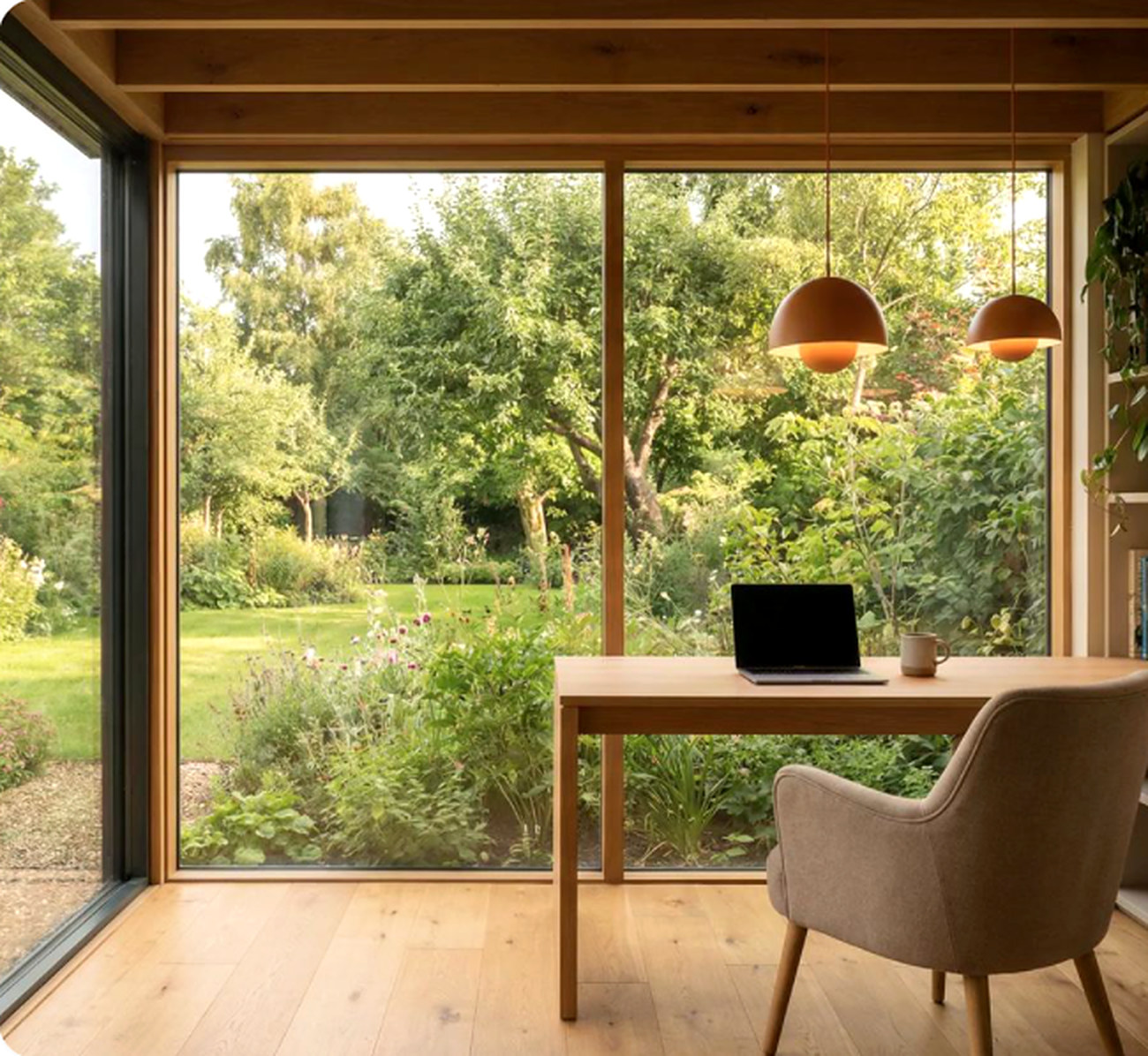
If you need more room to work, both a garden office and an extension can solve the problem. They suit different homes and different priorities.
Separation
A garden office puts a short walk between work and home. Many people find that small daily commute surprisingly valuable: it's quieter, there are fewer interruptions, and it's easier to switch off at the end of the day. An extension keeps you under the same roof, which suits people who want to stay close to family life.
Disruption
An extension involves work to the house itself, often for many months. A garden studio is built in the garden, so day-to-day life indoors carries on largely as normal.
Approvals
Many garden rooms fall within permitted development, while extensions more often need planning permission and nearly always involve building control. Every home is different, so check before you decide. Our planning guide explains the basics.
Flexibility
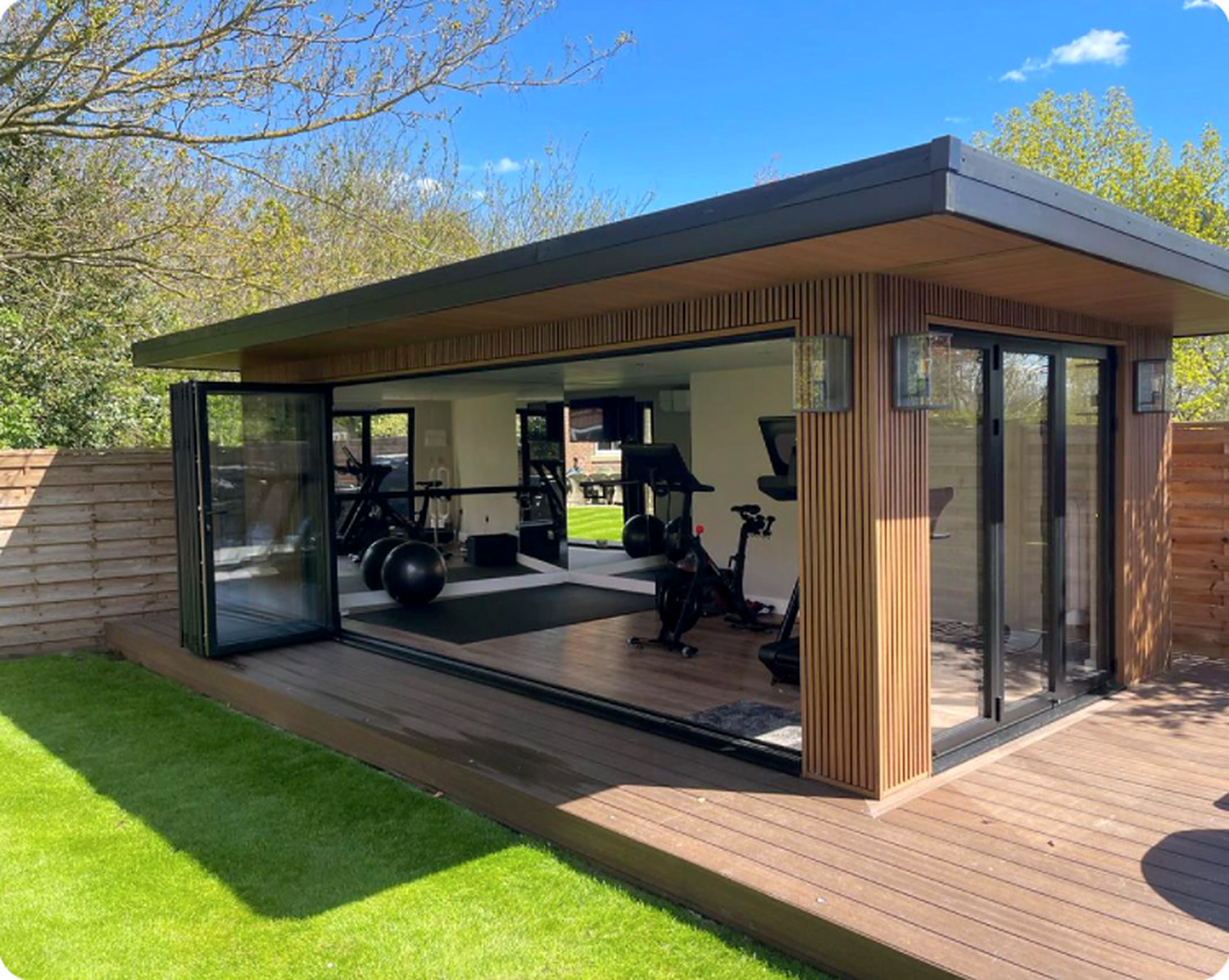
An extension usually becomes part of the house, such as a bigger kitchen or an extra reception room. A garden studio can change role over time: an office now, a gym or teenage den later, a calm retreat after that.
Cost
Costs vary so widely that it's best to price both properly for your home. As a guide, our studios start from the figures on our Studio Collection page, with a full proposal after a site survey.
Which is right for you?
If you value quiet, separation and the least disruption, a garden office is hard to beat. If you need living space connected to the house, an extension may suit you better. We're happy to talk it through honestly, even if the answer isn't a garden room.